

Welcome to the full article on one-way mirror privacy window film for the home — everything from how it works, its pros & cons, installation, best uses, and how Tint My Windows UK can help you achieve the perfect privacy solution. Whether you’re looking to enhance security, reduce glare, help with energy efficiency, or just gain more privacy without sacrificing natural light — this guide covers it all.
What Is One-Way Mirror Privacy Window Film?


One-way mirror window film (also called one-way privacy film, mirrored window film, reflective privacy film) is a thin laminate applied to existing glass that creates a “see-out but don’t see-in” effect (under the right lighting conditions).
Key aspects
-
The film uses a microscopically thin metallic/reflective layer so that when one side (typically the outside) is brighter than the other, the exterior surface acts like a mirror for people looking in.
-
For the occupant inside, your visibility is retain outward (when conditions are correct) while outsiders cannot see in (during daytime bright outside).
-
It is distinct from frosted or opaque films which block vision partly or fully; here you want to maintain your view out while gaining exterior privacy.
-
Lighting conditions matter a lot: The side with more light tends to be reflective, so at night when interior lighting is stronger than exterior, privacy effect may reverse.
In short: It’s a smart, cost-effective way to upgrade your home windows without replacing the glass.
Why Consider One-Way Mirror Film in Your Home?


Here are the key benefits when you engage with Tint My Windows UK to install one-way mirror film:
1. Enhanced Privacy
You gain daytime privacy — passers-by or neighbours cannot easily look in, which is especially useful for ground-floor rooms, street-facing windows, bathrooms, sliding doors.
2. Natural Light Retention
Unlike heavy curtains or opaque coverings, one-way mirror film allows daylight in and preserves outward views. Many users find that while there is some reduction in light transmission, it is not a severe darkening effect.
3. Glare and UV Protection
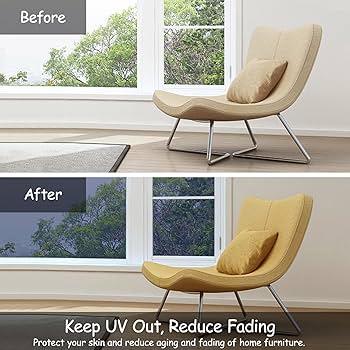
Reflective films also provide solar control: reducing glare on screens, TVs and computers; blocking harmful UV rays – which helps protect interior furnishings, carpets, artworks from fading.
4. Energy Efficiency and Heat Control
Because the film reflects a portion of solar heat, your rooms can stay cooler in summer and the load on air‐conditioning or cooling can be reduced. Over time this may reduce energy bills.
5. Security & Value
By obscuring the view into your home, you reduce visible signs of occupancy (or valuables) for would-be intruders. The reflective surface can act as a deterrent.
6. Cost-Effective Up-grade
Compared with replacing window panes or installing specialty glass, film is far lower cost and far less disruptive.
How Does It Work? (The Science Behind It)


Understanding the mechanism helps you set realistic expectations and choose the right type.
-
The film has a metallic reflective layer embedded in a PET or polymer film laminated to the glass.
-
The “one‐way” effect is achieved when one side is significantly brighter than the other: the brighter side acts as a mirror for the darker side.
-
For home use: during daylight the outside is brighter than the inside, so the exterior surface becomes reflective and people outside cannot easily see in. At night, if you have interior lights on and it is dark outside, this effect is reversed — so you may lose the one‐way privacy unless you draw blinds or curtains.
-
As with any reflective film, you might see a slight reduction in light transmission (depending on grade) — some users have reported rooms feeling slightly darker. > “A couple of things I’ve found with reflective film are that it does noticeably reduce the light levels in the room… I’m replacing with frosted stripe film which… lets a lot more light in.”
In other words: Choose your film grade and manage ambient lighting to ensure it works as you intend.
Choosing the Right Film: Key Considerations

When you’re working with Tint My Windows UK, we’ll guide you through the options. Here are the main factors:
-
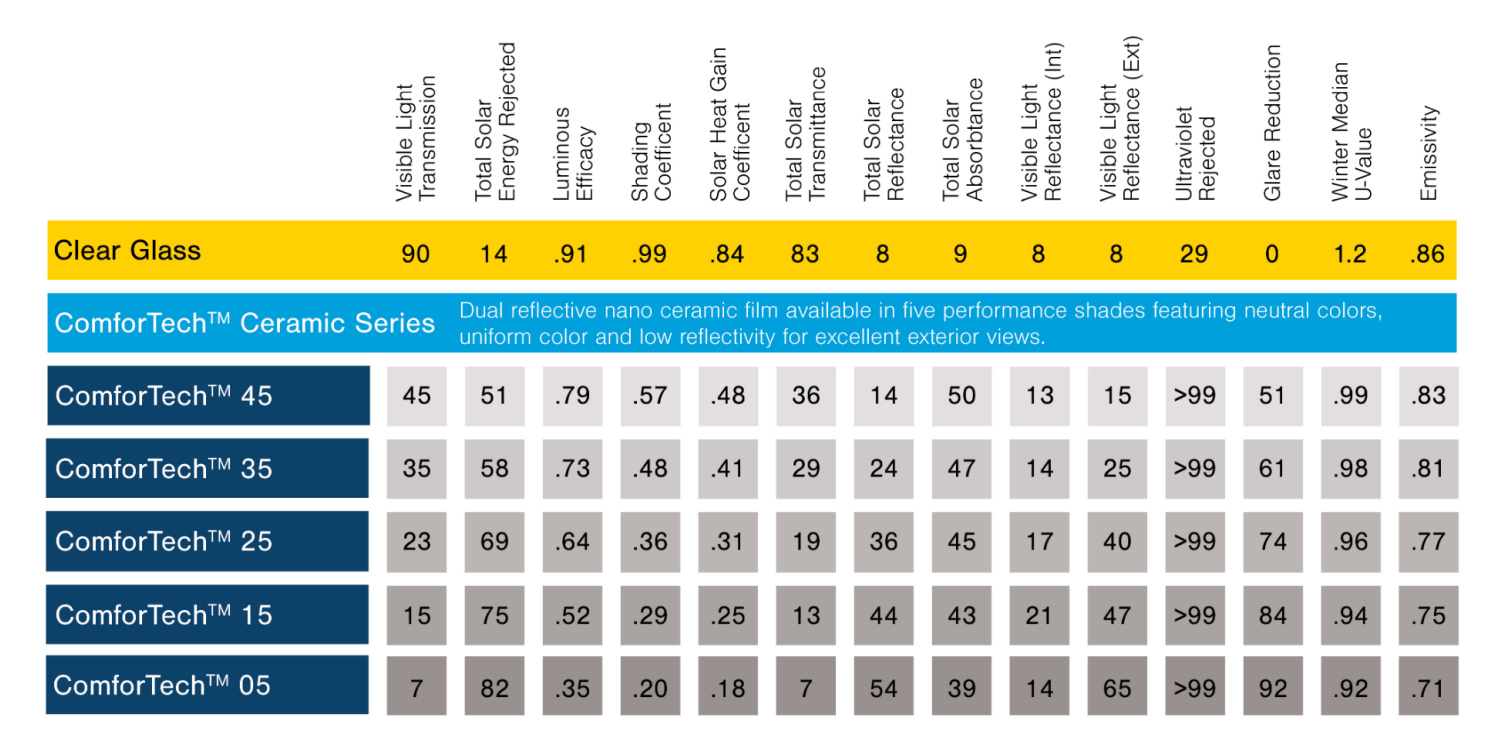
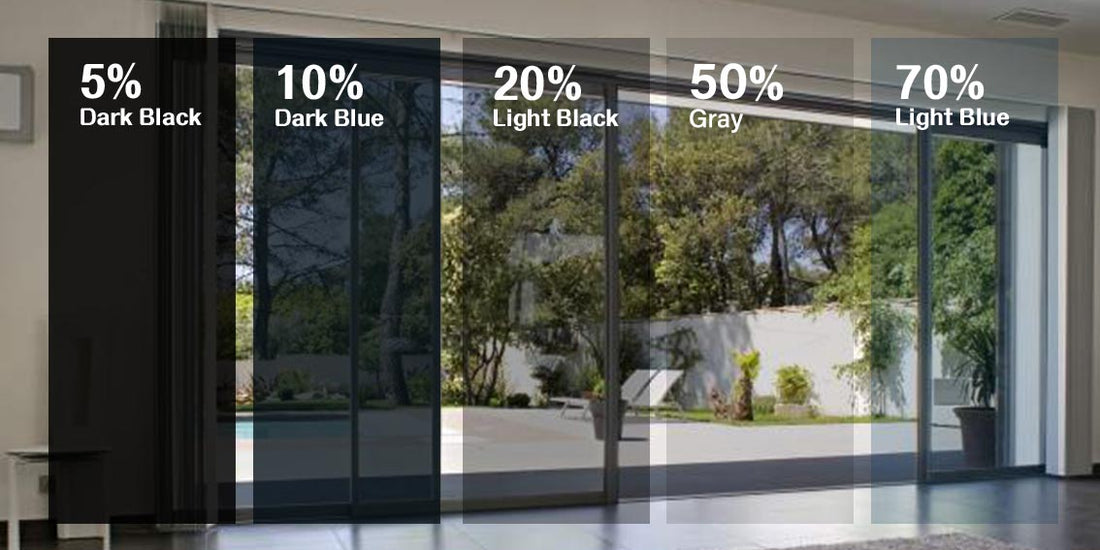
Reflectivity / Mirror Finish – higher reflectivity typically means stronger one‐way effect, but more mirror appearance from outside.
-
Visible Light Transmission (VLT) – how much light passes through. Lower VLT = darker interior. If you want bright rooms, pick higher VLT.
-
UV/Woll Blocking & Glare – how many UV/infrared rays are blocked (some films can block up to ~99% of UV).
-
Interior vs Exterior Application – Typically these films are applied on the interior face of the glass for better longevity.
-
Night Time Privacy Needs – Remember the lighting-ratio issue: if you have a lot of internal lighting at night, you may need additional coverings (blinds/curtains) if you want privacy after dark.
-
Aesthetic / Appearance – The mirrored surface will change the exterior look of your windows (silver, gold or other finish); ensure you’re happy with the external appearance.
-
Durability & Warranty – Higher quality films offer better scratch resistance, longer warranty, better transparency retention.
-
Compliance & Building Codes – Some local building codes in the UK may govern reflective films or appearances — check with your local authority if needed.
Where to Use It in the Home
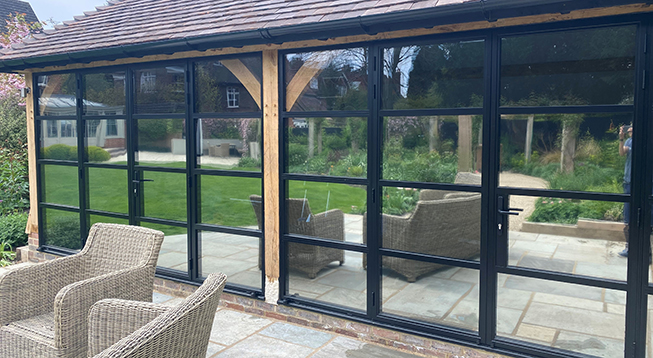
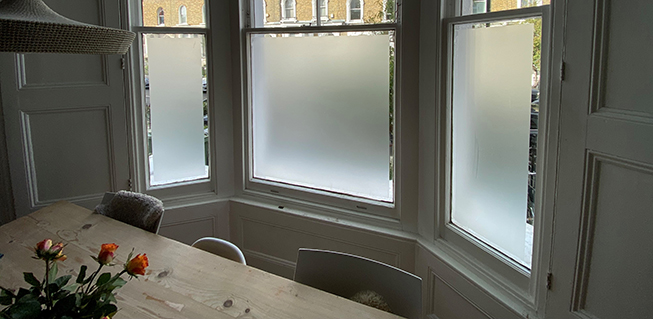

Here are typical areas in a home where one-way mirror film is especially beneficial:
-
Street-facing living rooms or bedrooms – enhances privacy without blocking light or your view.
-
Ground-floor windows or sliding patio doors – high exposure to passers-by.
-
Bathrooms or en-suite windows – though remember the lighting swap at night.
-
Home offices or studios – keep your space private while maintaining a view out.
-
Rooms where glare is a problem (e.g., TV, computer screens) – film helps reduce glare and heat.
-
Sun-facing windows where solar gain is high – helps with heat reduction and cooling.
Installation & Best Practices


When you work with Tint My Windows UK, we ensure professional installation and long‐term satisfaction. Here’s what you can expect:
-
Glass inspection and cleaning – Any scratches, pits or defects in the glass surface can affect film performance.
-
Precise measurement & cutting – Film is cut to size and often slightly oversized for edge trimming.
-
Application of film (typically interior face) – Using slip solution, the film is positioned, squeegeed, edges trimmed. Interior application tends to enhance longevity.
-
Drying / Curing period – Many films need time for adhesives to fully bond and for any moisture to escape. Avoid wiping for 24-48 hours if advised.
-
Lighting and usage briefing – We’ll review lighting conditions for optimum effect (day vs night) and how to maintain your privacy at night (e.g., use blinds/curtains if needed).
-
Maintenance – Clean with soapy water and a soft cloth; avoid abrasive cleaners. Monitor for peeling or damage over time.
Limitations & What to Be Aware Of



To help you make an informed decision, here are some common limitations:
-
Night-time privacy reversal – When interior lighting exceeds exterior, the one-way effect reverses and people outside may see in. Curtains/blinds recommended.
-
Reduced natural light / tinted effect – Especially in higher reflectivity films, you may notice some reduction in light levels inside. One user commented: “It will reduce the light coming in during the day and doesn’t work at night…”
-
Appearance change – The reflective finish will change how your home looks from outside. Some may like the modern mirror look; others may not.
-
Glare/reflection issues – The reflective surface may cause unwanted glare inside or outside, especially with strong sunlight reflections.
-
Not a substitute for insulation – While solar control helps heat gain, it doesn’t fundamentally insulate glass like double or triple glazing.
-
Installation cost & suitability – Some windows (e.g., very old frames, damaged glass) may require extra work. In some heritage or building-control zones, reflective appearance may be restricted.
-
DIY versus professional – DIY films exist, but professional installation (as offered by Tint My Windows UK) gives better finish, warranty and longevity.
Why Choose Tint My Windows UK?
As a dedicated window-film specialist, Tint My Windows UK stands out thanks to:
-
Expert consultation: We help you assess your lighting conditions, privacy needs and aesthetic goals.
-
High-quality films: We partner with leading brands/grades that offer strong reflectivity, UV/heat blocking and durability.
-
Professional installation: Ensures correct adhesion, edge finishing and warranty.
-
After-care: Guidance on cleaning, maintenance and performance monitoring.
-
Home-focused service in the UK: We understand the specific conditions in UK homes – orientation, lighting, weather considerations.
By choosing us, you’re not just buying a roll of film — you’re investing in a lasting privacy & comfort upgrade for your home.
Summary & Next Steps
To wrap up:
-
One‐way mirror privacy window film is a smart solution for balancing light, view and privacy.
-
It works best when the exterior side is brighter than the interior; at night you may need additional coverings.
-
Benefits include privacy, glare/UV protection, energy savings, security, and a cost-effective upgrade.
-
Key to success: choose the right film grade, understand lighting context, and get professional installation.
-
At Tint My Windows UK we’re ready to help you specify, install and optimise your film for your home.
Next steps if you’re interested:
-
Identify windows you’d like treated (size, orientation, neighbours/visibility).
-
Contact us for a free evaluation and quote — we’ll assess lighting, recommend film grade, show sample finishes.
-
Schedule installation at your convenience; we’ll handle everything and leave your home neat.
-
Enjoy daytime privacy, reduced glare, and cooler comfortable rooms — with continued support from us.