

As energy costs rise and the UK faces long, chilly winters, homeowners are constantly looking for smart, affordable ways to make their homes more efficient and comfortable. One of the most underrated yet powerful solutions is window film — a simple, thin layer applied directly to your existing glass that transforms its performance in remarkable ways.
In this blog, we’ll explore what window film is, how it works, and why it’s becoming a must-have for UK homes — especially in cold weather regions.
🪟 What Is Window Film?
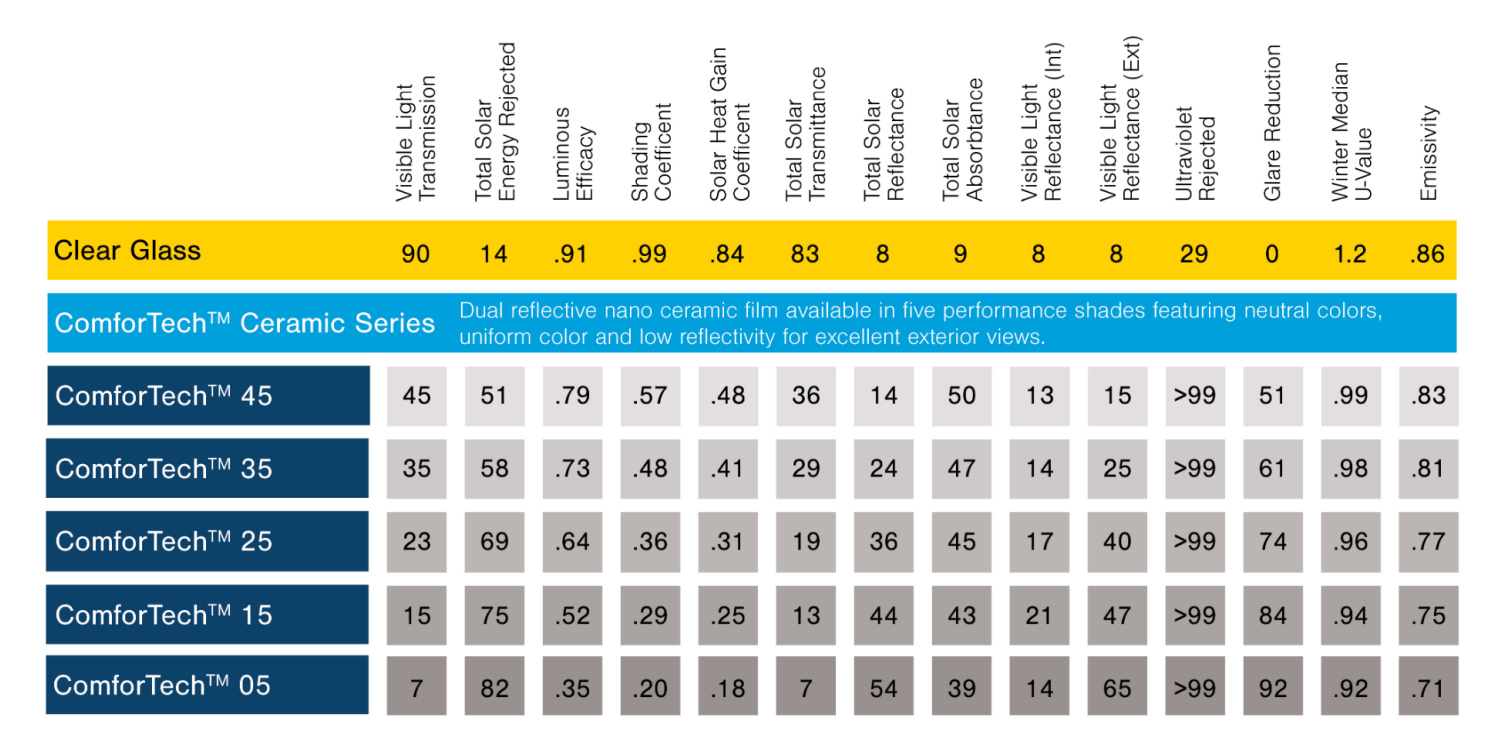
Window film is a specialized polyester material that adheres to the inside or outside of glass surfaces. It can be:
-
Clear for insulation and UV protection,
-
Reflective or tinted for heat and glare reduction, or
-
Frosted or decorative for privacy and aesthetics.
Modern films are multi-layered, incorporating coatings that control solar heat, UV radiation, glare, and insulation — without needing to replace your windows.
❄️ Benefits of Window Film in Cold Weather Areas
The UK’s climate is often damp, cloudy, and cold, especially in autumn and winter. Window film offers several advantages that make a real difference during the cold months.
1. Improved Insulation and Heat Retention
Most heat loss in homes occurs through windows. High-performance low-emissivity (Low-E) window films act like an invisible thermal blanket, reflecting interior heat back into the room while still allowing sunlight to pass through.
This reduces the strain on your heating system, lowering energy bills by up to 30% in winter.
How it works:
The film reflects radiant heat (infrared energy) back indoors, reducing heat escape through the glass.

2. Prevents Cold Drafts and Condensation
Films add a subtle insulating layer, stabilizing the surface temperature of your windows. That helps to:
-
Reduce cold drafts near glass panes
-
Minimize condensation build-up that can lead to mould and frame damage
This is particularly useful for older UK homes with single-pane or poorly sealed double glazing.
3. Year-Round Energy Efficiency
While you get insulation in winter, window films also reflect excess heat in summer, keeping rooms cooler.
It’s a dual-season benefit — helping maintain a comfortable temperature all year long, and easing the workload on both your heating and cooling systems.
4. UV Protection for Interiors
Even in winter, harmful ultraviolet rays can fade carpets, furniture, and curtains. Window film blocks up to 99% of UV radiation, preserving the life of your interior décor — a big advantage in bright but cold climates.
5. Added Privacy Without Losing Natural Light
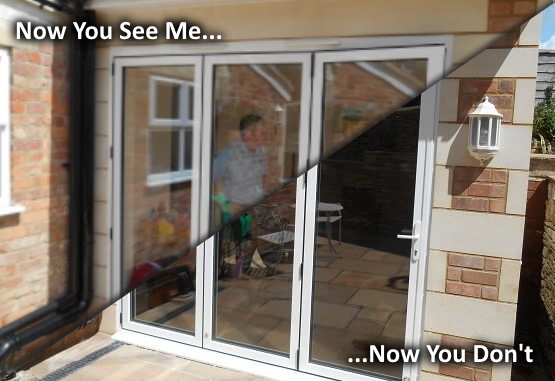
Frosted or obscure window films allow natural light to flood in while preventing people from seeing inside.
This is perfect for bathrooms, street-facing windows, or semi-detached homes common across the UK.
You can choose from styles like:
-
Etched glass effect
-
Frosted matte finish
-
Patterned or decorative films
They give the appearance of frosted glass at a fraction of the cost.
6. Quick, Non-Invasive Upgrade
Installing window film takes just a few hours and doesn’t require replacing any glass. It’s an ideal retrofit option for renters, heritage properties, or homeowners looking to upgrade on a budget.
It’s also removable — so you can change the look or replace it in the future.
💷 The Cost-Saving Impact in the UK
Energy bills in the UK have surged, and the government’s push toward sustainable homes is stronger than ever.
By adding window film, you’re effectively improving your window U-value (thermal efficiency) without replacing the glazing — saving hundreds of pounds annually in heating costs.
“A £300-£500 investment in professional window film can pay for itself within 2–3 winters through energy savings alone.”
🏡 Why Every UK Home Should Have Window Film
✔ Energy Efficiency
Reduce your carbon footprint and save money — instantly.
✔ Comfort
Say goodbye to chilly drafts and temperature fluctuations near windows.
✔ Privacy
Frosted films give you peace of mind without blocking sunlight.
✔ Protection
Shield your interiors from UV damage and fading.
✔ Aesthetic Appeal
Upgrade the look of your home with decorative or mirrored finishes.
⚙️ Choosing the Right Window Film for Your Home
| Film Type | Main Benefit | Best For |
|---|---|---|
| Low-E Insulating Film | Keeps warmth in, cold out | Cold climates / winter use |
| Solar Reflective Film | Reduces glare & solar gain | South-facing windows |
| Frosted/Obscure Film | Privacy + daylight | Bathrooms, bedrooms, street windows |
| Security Film | Strengthens glass | Ground floor, patios |
| UV Protection Film | Prevents fading | Conservatories, living rooms |
🧰 Installation & Maintenance
-
DIY or professional install: Many films are peel-and-stick, but professional installation ensures a flawless, bubble-free finish.
-
Care: Clean gently with non-abrasive materials and mild soapy water. Avoid harsh chemicals.
-
Durability: Quality films last 10–20 years depending on exposure and product grade.
🌍 The Sustainable Choice
Window films align with the UK’s net zero goals by reducing energy consumption and greenhouse emissions.
For older homes especially, film offers an eco-friendly upgrade without wasteful window replacements.
✨ Final Thoughts
If you live in a cold or drafty part of the UK — from the Highlands to the Midlands — window film is one of the smartest investments you can make for warmth, comfort, and sustainability.
It’s:
-
Affordable
-
Low-maintenance
-
Effective all year round
Whether you want frosted privacy, extra insulation, or modern solar control, there’s a film designed for your home and your climate